

Safety at sea is built on preparedness, not reaction. Among all emergency procedures conducted onboard merchant vessels, abandon ship drills remain one of the most critical. While often perceived as routine or repetitive, these drills are closely scrutinized during flag state inspections and Port State Control (PSC) examinations. Poor execution or non-compliance can quickly lead to deficiencies, detentions, or even reputational damage for shipowners and operators.
The Purpose of Abandon Ship Drills
An abandon ship drill is not simply a regulatory obligation; it is a life-saving exercise designed to ensure that crew members can safely evacuate the vessel in extreme emergencies such as fire, flooding, collision, or structural failure.
The primary objectives include:
- Ensuring the rapid and orderly muster of all personnel
- Verifying familiarity with emergency signals and procedures
- Training crew in the correct use of life-saving appliances (LSA)
- Practicing launching and operating survival craft
- Reinforcing communication and the chain of command
These drills are essential because, in a real abandonment scenario, there is no margin for hesitation or confusion. Repetition builds muscle memory and reduces panic, which significantly increases survival chances.
Regulatory Framework: SOLAS Requirements
-
Abandon ship drills are governed primarily by the International Convention for the Safety of Life at Sea (SOLAS), specifically Chapter III, Regulation 19.
Frequency Requirements
SOLAS establishes clear minimum standards:
- Every crew member must participate in at least one abandon ship drill per month
- Drills must be conducted within 24 hours of departure if a significant portion of the crew is new
- On passenger ships, drills are typically conducted weekly
- Lifeboats must be launched and manoeuvred at least every three months (or six months for free-fall systems)
These requirements ensure that both experienced and newly joined crew maintain operational readiness at all times.
Scope of Drills
A compliant abandon ship drill should include:
- Activation of the general alarm
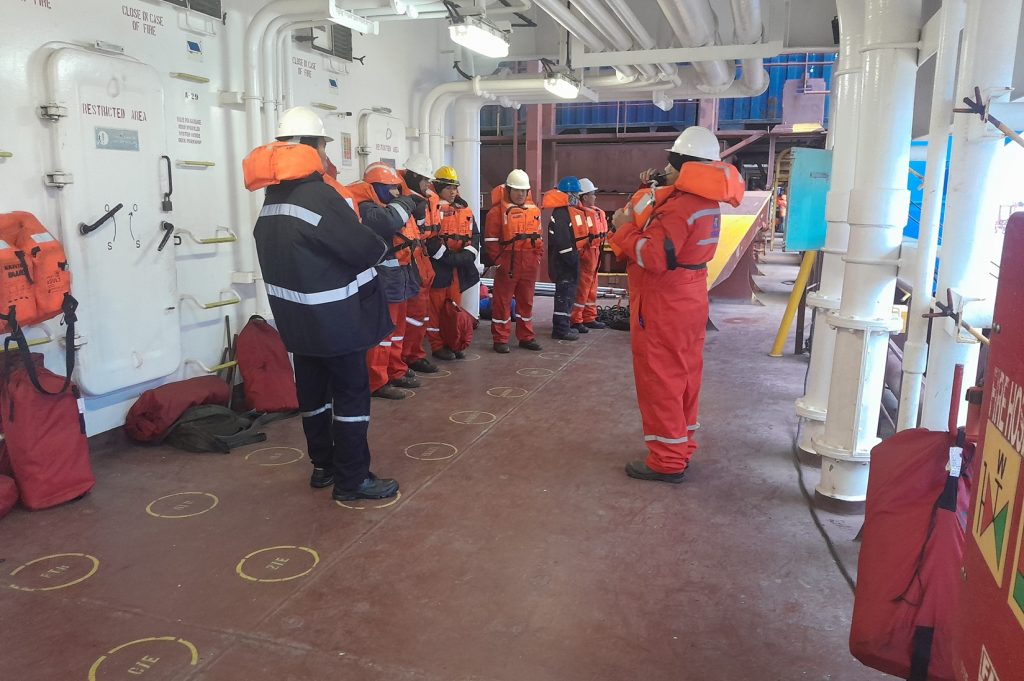
- Muster at designated stations
- Donning of lifejackets and immersion suits
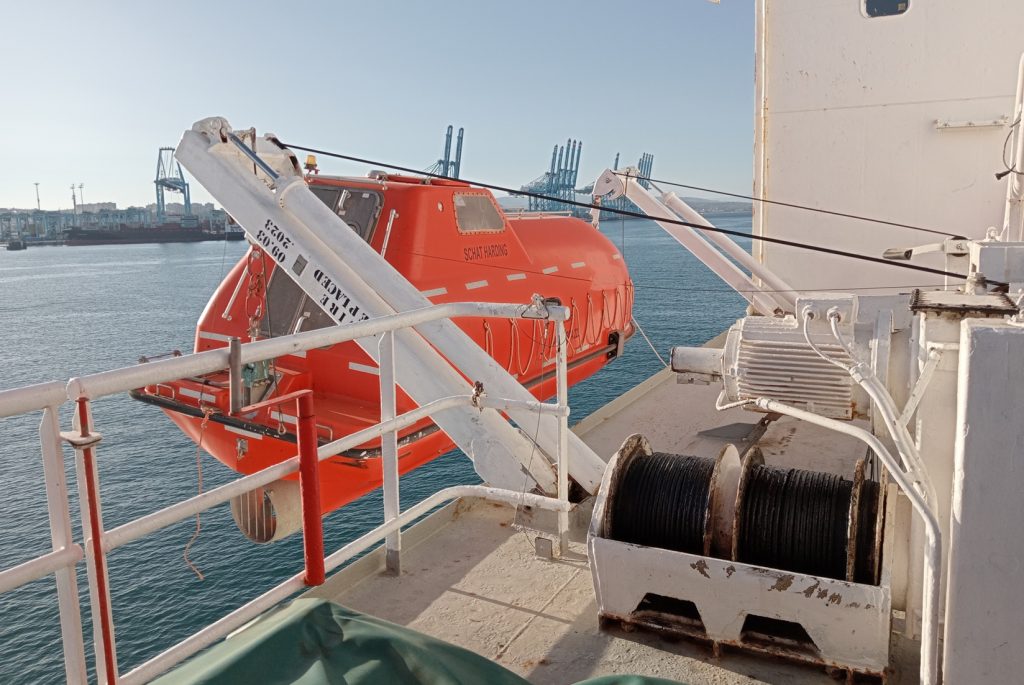
- Preparation and, where required, launching of lifeboats
- Familiarization with survival craft equipment
- Communication exercises
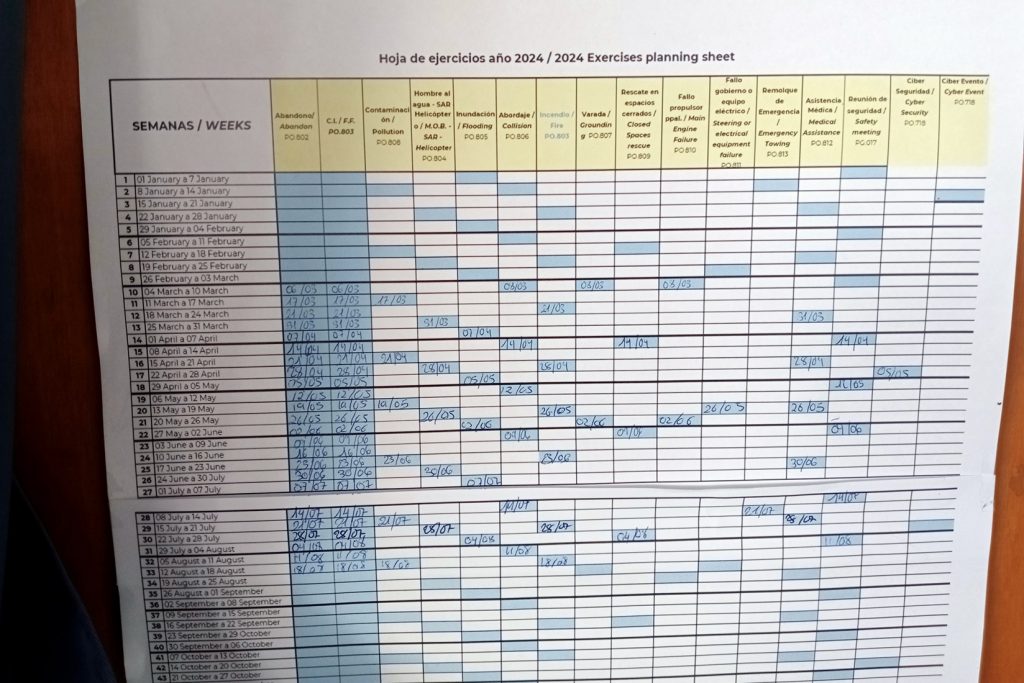
Additionally, all drills must be properly recorded in the official logbook, including date, time, and details of the exercise.
Practical Value Beyond Compliance
While SOLAS defines the minimum requirements, the true value of abandon ship drills lies in their execution quality.
A well-conducted drill allows the crew to:
- Identify equipment deficiencies (e.g., malfunctioning davits or engines)
- Detect gaps in crew competence or communication
- Verify the operational readiness of life-saving appliances
- Improve coordination between departments
Drills also serve as a critical opportunity to test whether maintenance routines are effective. For instance, lifeboats and associated equipment must be inspected and maintained according to manufacturer guidelines prior to drills to ensure safe operation.
In practice, vessels that treat drills as realistic training exercises consistently perform better during inspections than those that approach them as administrative formalities.
What Flag State and PSC Inspectors Evaluate
During inspections, authorities not only check whether drills are conducted—they also assess whether the crew is genuinely prepared for an emergency.
1. Crew Familiarity and Competence
Abandon ship drills and emergency preparedness may also be assessed during Flag State inspections, where practical implementation, crew familiarisation and the operational readiness of lifesaving arrangements can form part of the overall safety verification.
Inspectors frequently ask crew members simple but critical questions:
- What is your muster station?
- What are your duties according to the muster list?
- How do you operate the lifeboat or release gear?
A lack of knowledge among crew members is considered a serious deficiency and may trigger a more detailed inspection or even an operational drill.
2. Muster List Compliance
The muster list must:
- Be up to date and properly displayed
- Assign clear duties to each crew member
- Reflect the current crew onboard
Any inconsistencies between the muster list and actual crew knowledge are strong indicators of poor safety management.
3. Execution of the Drill
If an abandon ship drill is witnessed, inspectors will evaluate:
- Response time from alarm to muster
- Orderliness and discipline during the process
- Proper donning of lifejackets
- Correct reporting procedures
The drill should be conducted as realistically as possible, simulating an actual emergency scenario.
4. Operation of Life-Saving Appliances
Inspectors may require demonstration of:
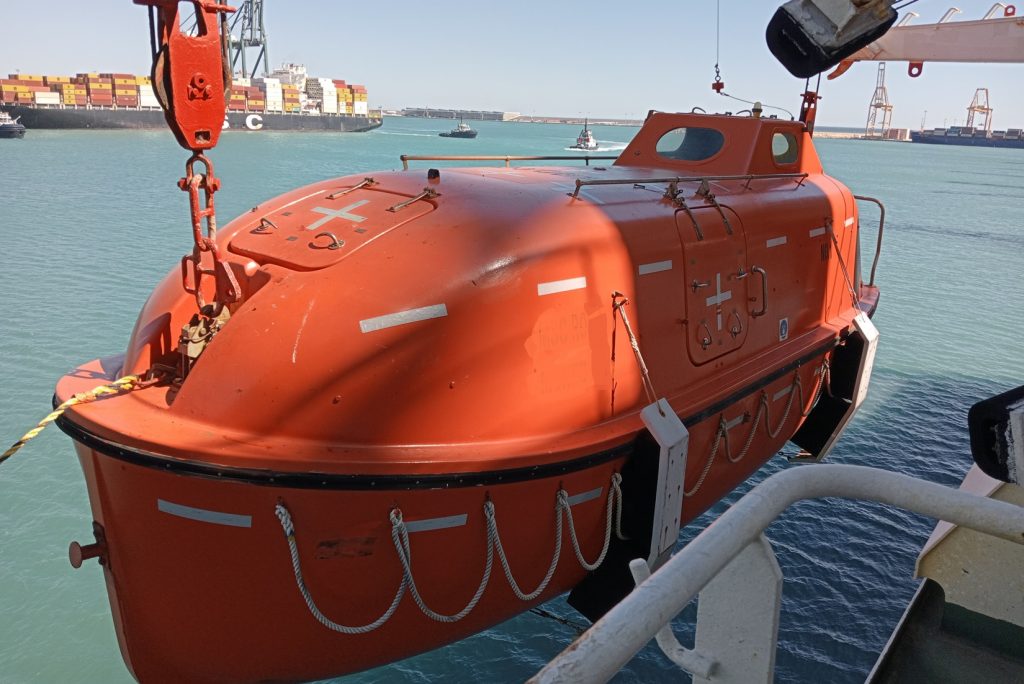
- Lifeboat preparation and launching procedures
- Starting and running the lifeboat engine
- Operation of davits and release mechanisms
- Handling of liferafts
Expanded inspections may include lowering a lifeboat to the water with its assigned crew.
5. Condition and Readiness of Equipment
Even if a drill is well executed, deficiencies in equipment condition can result in observations or detentions.
Inspectors check:
- Lifeboat structural condition and maintenance
- Availability and condition of emergency equipment
- Readiness for immediate use (no obstructions, proper stowage)
- Maintenance records and certification
Drills often reveal hidden issues such as corrosion, mechanical failures, or missing equipment.
6. Records and Documentation
Documentation is a key element of compliance. Inspectors review:
- Logbook entries for drills
- Frequency and regularity of exercises
- Evidence of crew participation
- Corrective actions from previous drills
Missing or incomplete records can be treated as non-compliance, even if drills have been conducted.
7. Safety During Drills
Authorities are increasingly focused on ensuring that drills themselves are conducted safely.
Inspectors may verify that:
- Risk assessments have been carried out
- Crew are not exposed to unnecessary hazards
- Equipment is used in accordance with safety guidelines
This reflects guidance from the IMO emphasizing that training must not compromise crew safety.
Common Deficiencies Identified During Inspections
Based on inspection trends, the most frequent issues include:
- Crew unable to explain their emergency duties
- Improperly maintained or inoperative lifeboats
- Failure to conduct drills at required intervals
- Incomplete or falsified drill records
- Poor communication during drills
- Lack of realism (over-simulated drills without practical execution)
These deficiencies often point to weaknesses in the vessel’s Safety Management System (SMS) and onboard safety culture.
Best Practices for Inspection Readiness
To ensure compliance and improve safety outcomes, operators should adopt the following practices:
1. Treat Drills as Real Scenarios
Avoid excessive simulation. Wherever safe and feasible, perform actual operations such as starting engines or lowering boats.
2. Engage the Entire Crew
Rotate responsibilities and ensure all crew members actively participate and understand their roles.
3. Conduct Post-Drill Debriefings
Identify weaknesses and implement corrective actions promptly.
4. Maintain Equipment Proactively
Do not rely on drills to discover defects—ensure routine maintenance is effective.
5. Align Drills with SMS Procedures
Ensure that onboard practices match documented procedures and company policies
Conclusion
Abandon ship drills are a cornerstone of maritime safety and a key focus area for both flag state and PSC inspections. While compliance with SOLAS provides the regulatory baseline, true preparedness depends on the quality, realism, and consistency of onboard training. Inspectors are not merely verifying paperwork—they are assessing whether the crew can respond effectively in a real emergency. Vessels that invest in meaningful, well-executed drills not only pass inspections more easily but also significantly enhance the safety of their crew. For shipowners, operators, and crew alike, the message is clear: abandon ship drills are not a formality—they are a critical line of defense when everything else has failed.
