

Ultrasonic hatch cover testing performed onboard commercial vessels focused on identifying leakage risks, weathertight integrity deficiencies and potential water ingress areas affecting cargo protection during sea passage.
Operational scope
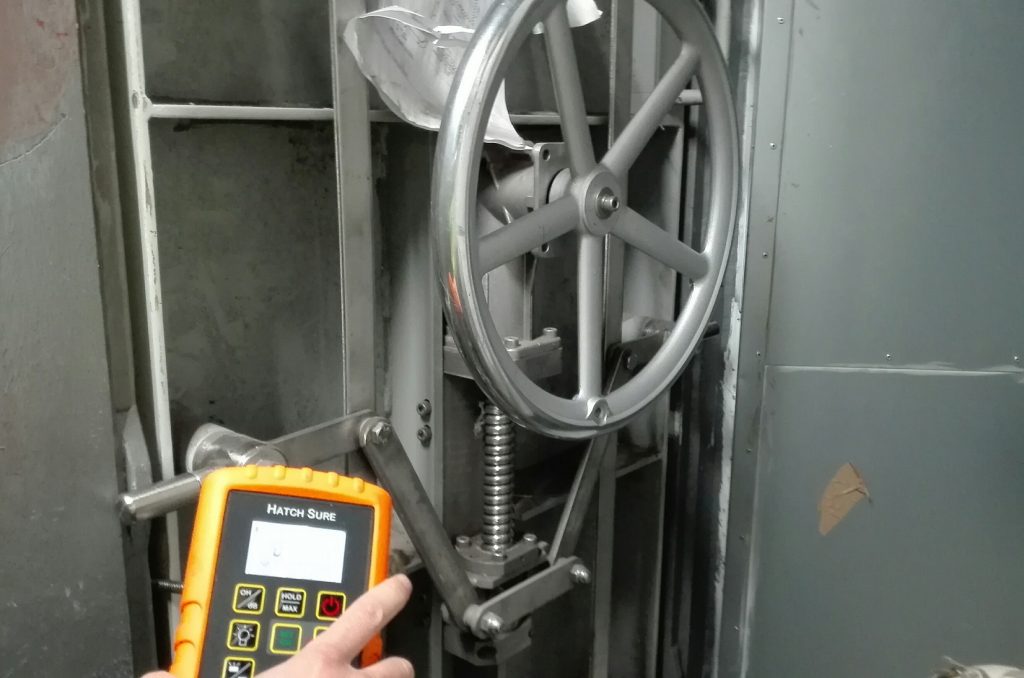
Ultrasonic hatch cover testing is performed using ultrasonic equipment designed to identify leakage locations, defective sealing arrangements and hatch cover weathertight integrity deficiencies onboard commercial cargo vessels.
Cargo Protection & Leakage Risks
Defective hatch cover sealing arrangements may increase the risk of water ingress, cargo wetting, cargo contamination and operational cargo claims during adverse weather conditions and sea passage operations.
Findings and Reporting
Inspection findings are documented through practical operational reporting including leakage locations, deficient sealing areas, compression deficiencies and recommendations for corrective maintenance actions.
Related Services
Related inspection services include P&I condition surveys, cargo damage investigations and on-hire condition surveys focused on vessel condition assessment and cargo risk prevention on board commercial vessels.
FAQs
Can ultrasonic testing help prevent cargo damage claims?
Yes. Early identification of leakage areas and defective sealing arrangements may help reduce the risk of water ingress, cargo wetting and cargo-related claims.
Are hatch cover tests performed during cargo operations?
Yes. Ultrasonic hatch cover testing may be coordinated during cargo operations, vessel attendance or operational inspections depending on vessel schedule and terminal conditions.
What types of deficiencies are commonly identified?
Common findings may include defective rubber packings, compression deficiencies, alignment problems, damaged cleats and leakage areas affecting hatch cover weathertight integrity.
How long does ultrasonic hatch cover testing usually take?
Inspection duration depends on vessel size, cargo operations, the number of cargo holds and hatch cover configuration. Most ultrasonic hatch cover testing is completed within several hours.
How much does ultrasonic hatch cover testing cost?
The cost of ultrasonic hatch cover testing depends on vessel type, number of cargo holds, inspection scope, port location and operational attendance requirements.