

Emergency generators are a critical safety component on board merchant vessels. Their function is simple but vital: to ensure the continuity of essential services in the event of a main power failure. Without a reliable emergency power source, key systems such as navigation equipment, emergency lighting, communication systems, and safety devices would be compromised—significantly increasing operational risk.
Purpose and Functional Requirements
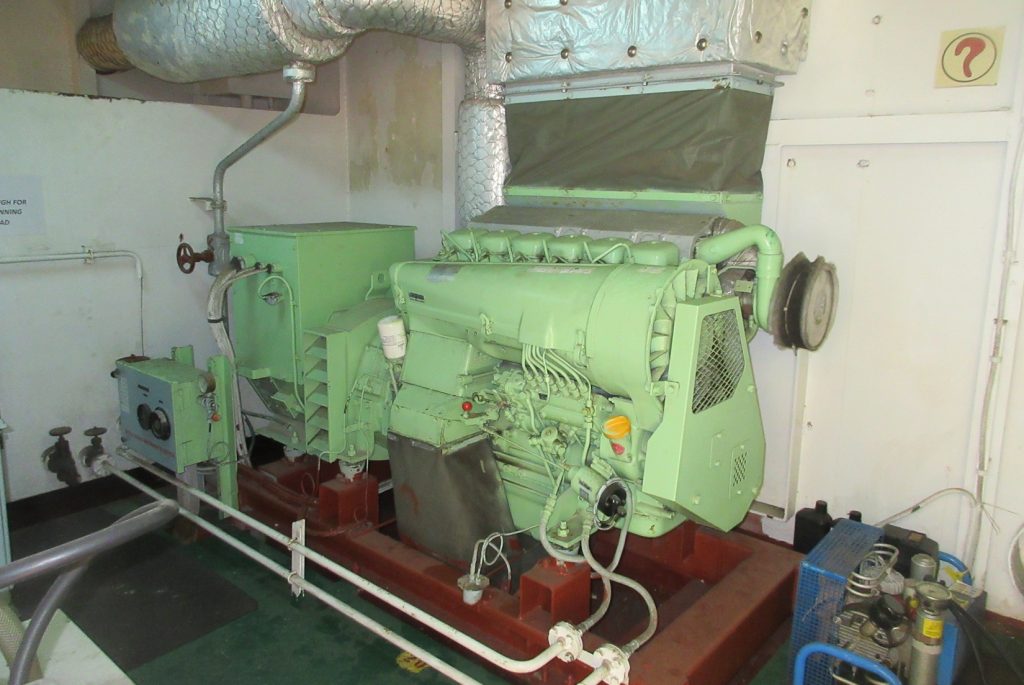
The emergency generator is designed to automatically supply electrical power to essential services when the main power supply fails. Its primary objectives include:
- Maintaining navigation safety systems (radar, gyrocompass, ECDIS)
- Supplying emergency lighting
- Powering fire detection and alarm systems
- Supporting communication equipment (GMDSS)
- Ensuring the operation of emergency fire pumps (where electrically driven)
A key requirement is independence from the main power system, both physically and operationally.

Emergency generators are governed by strict international regulations, primarily under:
- SOLAS Chapter II-1 (Regulations 42 and 43)
- Classification society rules (e.g., structural and electrical separation)
- Flag State requirements
Core regulatory principles include:
Location Requirements
- Must be installed above the uppermost continuous deck
- Positioned outside the main machinery spaces
- Accessible under emergency conditions
Independence
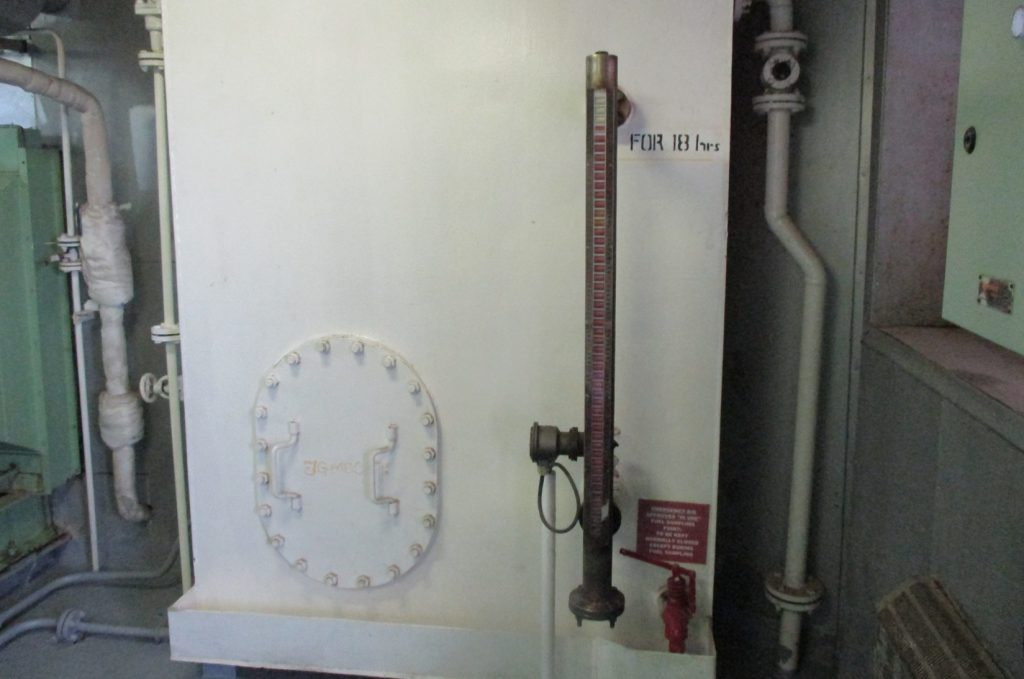
- Independent fuel supply
- Independent cooling system (typically air-cooled or dedicated radiator)
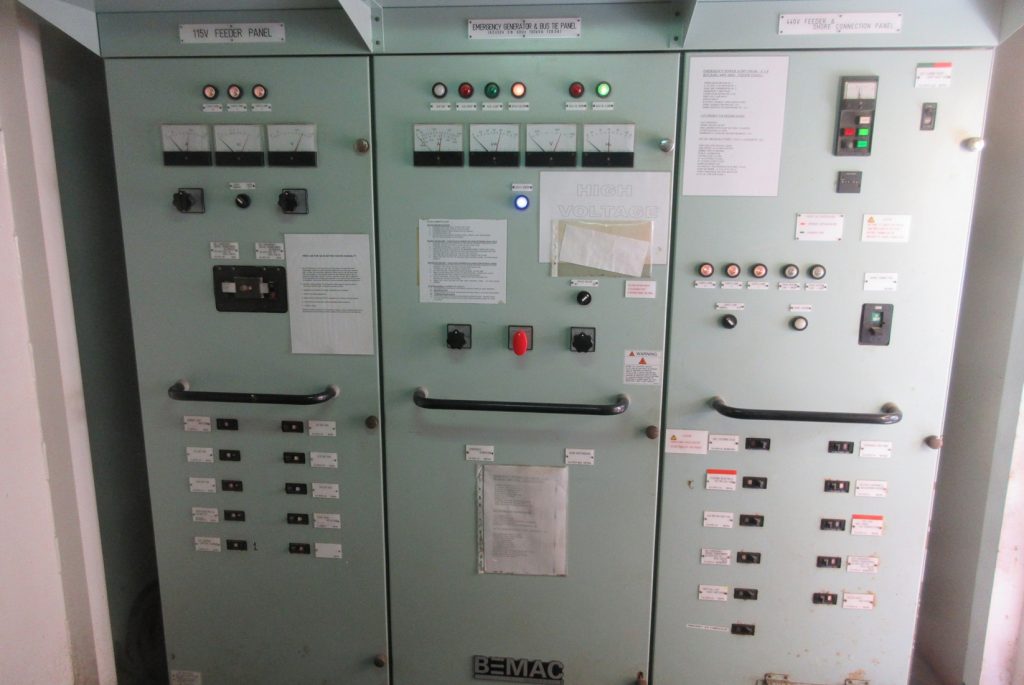
- Separate switchboard (emergency switchboard)
Starting Capability
- Must be capable of automatic start within 45 seconds
- Equipped with two independent starting arrangements (e.g., battery + hydraulic or pneumatic)
Autonomy
- Minimum operation time:
- 18 hours for cargo ships
- 36 hours for passenger ships
Emergency Switchboard Integration
The emergency generator feeds the emergency switchboard, which is electrically segregated from the main switchboard.
Important aspects:
- Automatic changeover upon main power failure
- Load prioritization (essential consumers only)
- Protection systems (overload, short circuit)
The system must ensure no back-feeding into the main electrical network.
Testing and Maintenance Procedures
From a survey and inspection perspective, emergency generators are subject to routine testing and verification.
Weekly and Monthly Tests
Typical onboard testing includes:
- Weekly no-load start test
- Monthly load test (preferably with real consumers)
- Verification of:
- Automatic start function
- Voltage and frequency stability
- Alarm systems
Annual Surveys
During class or flag inspections:
- Full operational test under load
- Blackout simulation (main power failure scenario)
- Verification of autonomy (fuel capacity and consumption)
Common Deficiencies Identified in Surveys
Based on field experience, the most frequent issues found during inspections and PSC preparations include:
Starting Failures
- Depleted or poorly maintained batteries
- Faulty automatic start systems
Fuel System Problems
- Contaminated fuel
- Closed or improperly set valves
Lack of Maintenance
- Cooling system blockages
- Lubrication issues
Electrical Faults
- Incorrect load distribution
- Failure of automatic transfer systems
Regulatory Non-Compliance
- Improper location or modifications
- Missing redundancy in starting systems
Operational Considerations and Best Practices
To ensure reliability, operators should focus on:
Preventive Maintenance
- Regular inspection of starting systems
- Fuel quality management
- Periodic load testing
Crew Familiarization
- Clear understanding of emergency procedures
- Manual start capability training
Testing Under Real Conditions
- Avoid “symbolic” tests without load
- Simulate blackout scenarios periodically
Documentation
- Maintain accurate logs of tests and maintenance
- Ensure compliance records are up to date
