

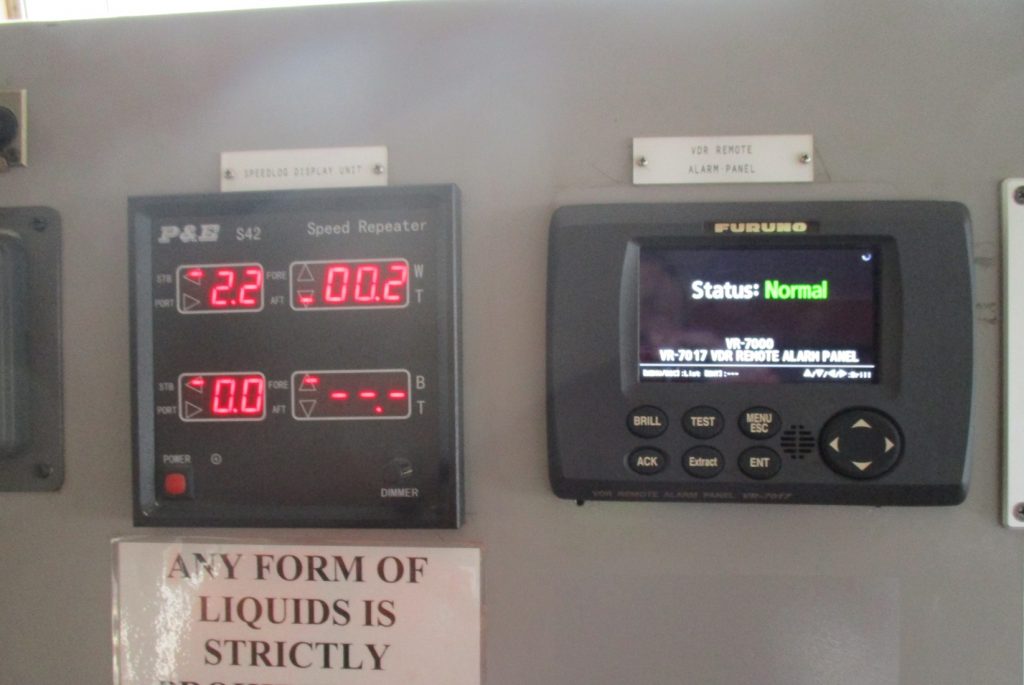
The Voyage Data Recorder (VDR) is one of the most important electronic safety systems installed on modern merchant ships. Often referred to as the “black box” of the vessel, the VDR continuously records operational, navigational, and communication data to support accident investigations, incident analysis, and safety improvement. Although primarily associated with casualty investigations, the VDR also plays a significant role in inspections, audits, PSC examinations, and operational verification. Improper maintenance, missing recordings, or defective interfaces are common deficiencies identified during surveys.
Regulatory Framework
The carriage and operational requirements for VDR systems are mainly established under:
🔹 SOLAS Chapter V Regulation 20
This regulation specifies:
- Which ships must carry a VDR or S-VDR
- Performance standards
- Recording duration
- Data recovery capability
In general:
- Passenger ships and cargo ships of 3,000 GT and above engaged on international voyages must carry:
- A full VDR, or
- A Simplified VDR (S-VDR), depending on ship type and construction date.
Compliance with applicable VDR requirements, including installation, maintenance, testing and certification, may be verified during Flag State inspections and associated statutory survey activities
VDR vs S-VDR
There are two main types of systems:
Full VDR
Records a comprehensive range of bridge and ship operational data.
Typically installed on:
- Newer vessels
- Passenger ships
- Larger cargo ships
Simplified VDR (S-VDR)
Designed mainly for retrofit applications.
Records a reduced number of mandatory inputs but still provides essential navigational data for investigations.
Purpose of the VDR System
The main purpose of the VDR is to preserve critical shipboard data before, during, and after an incident.
The system records information from multiple onboard sources, including:
- Bridge audio communications
- Radar images
- GPS position
- Speed and heading
- ECDIS data
- AIS information
- Engine and alarm status
- VHF communications
This information is essential for:
- Marine casualty investigations
- Reconstruction of navigational events
- Root cause analysis
- Safety management improvements
- Legal and insurance investigations
The VDR enables investigators to understand not only what happened, but also how decisions were made on the bridge.
Main Components of a VDR System
A typical VDR installation includes:
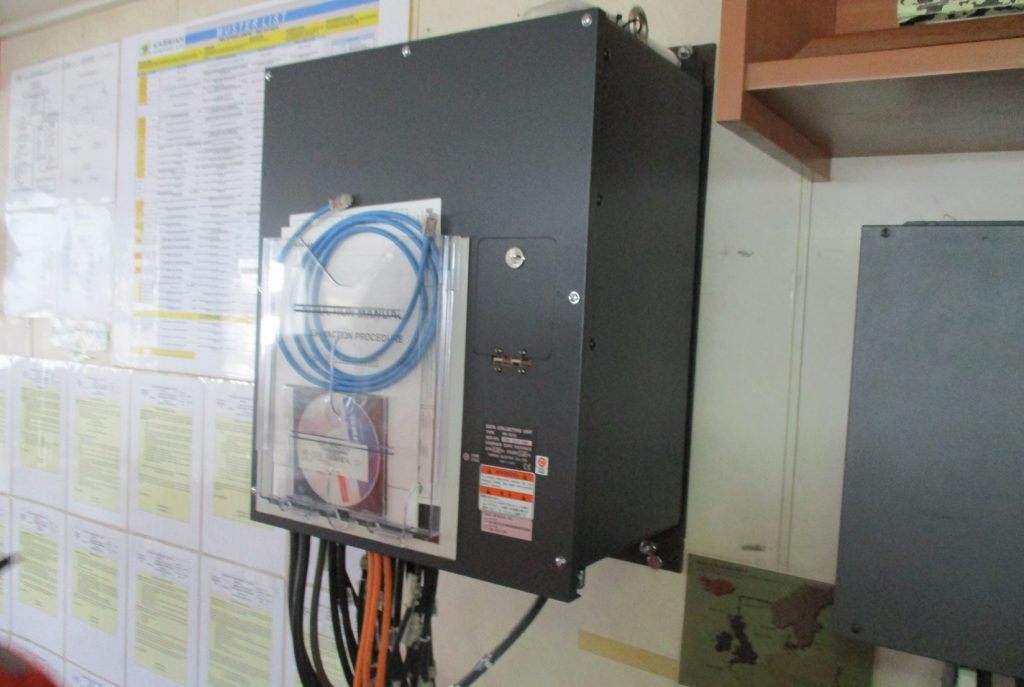
Data Acquisition Unit (DAU)
Collects information from onboard sensors and equipment.
Recording Control Unit
Processes and stores data continuously.
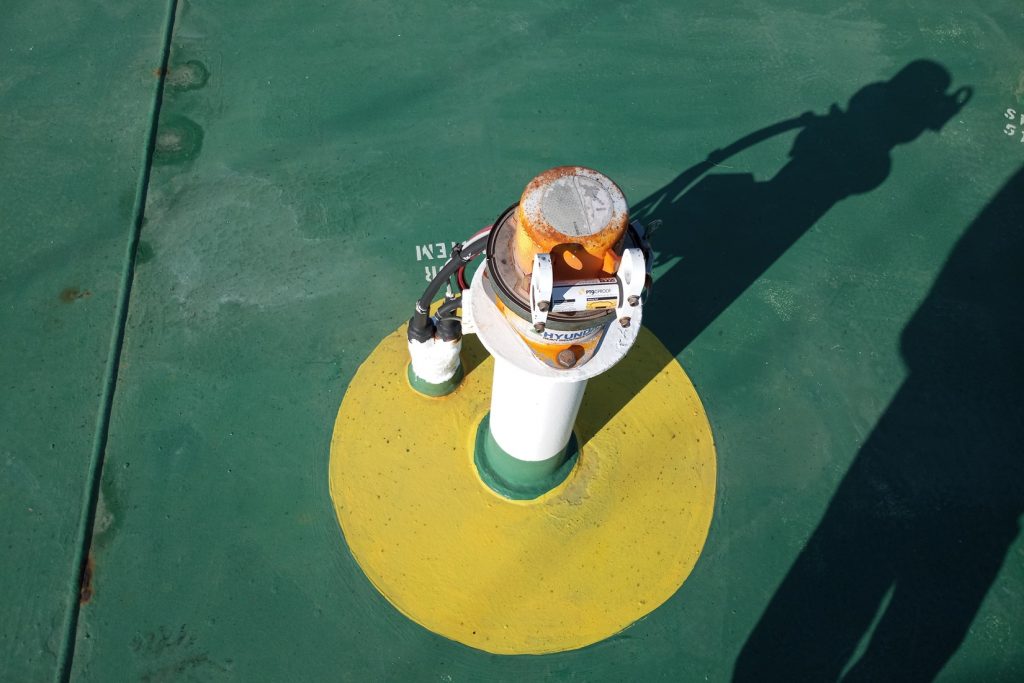
Protective Data Capsule
The “black box” itself:
- Float-free or fixed type
- Fire-resistant
- Impact-resistant
- Waterproof
Bridge Audio System
Captures conversations and alarms on the bridge.
Replay Software
Allows investigators and inspectors to review recorded information.
Operational Principles
The VDR continuously records data in a loop, typically preserving the latest:
- 12 hours (older systems)
- 24 to 48 hours (modern systems)
In case of an incident:
- Data can be automatically protected
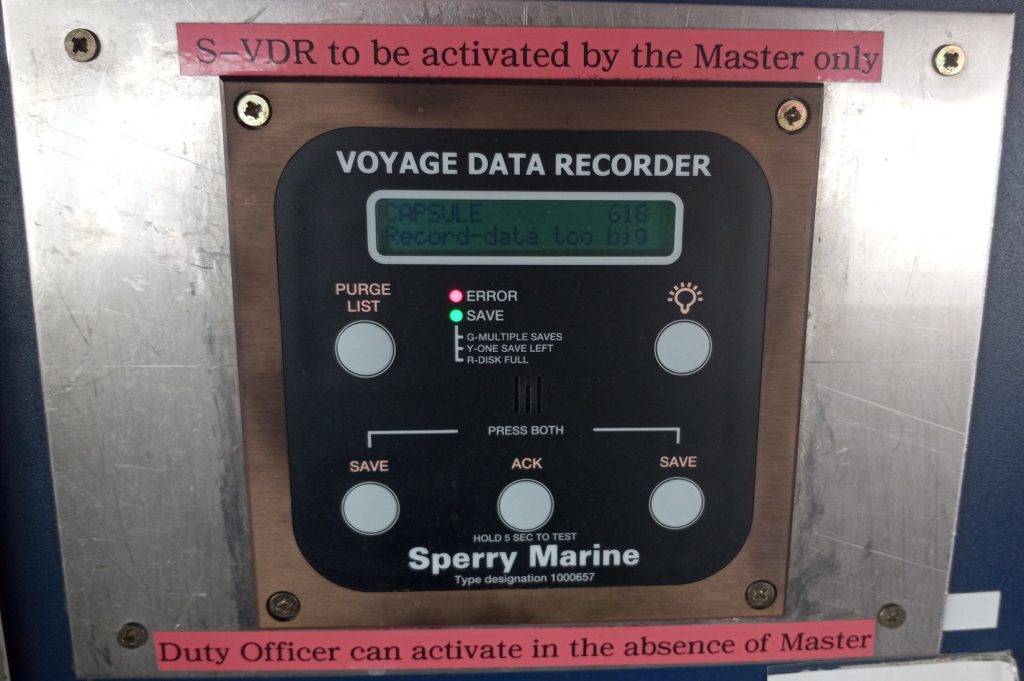
- Manual save functions may also be activated
The system must remain operational:
- During normal navigation
- During emergency situations
- After main power failure via emergency power supply
Testing and Maintenance Requirements
From an inspection and compliance perspective, VDR systems require periodic verification.
Annual Performance Test (APT)
One of the most important requirements is the:
🔹 Annual Performance Test
This test must be carried out by:
- An approved service supplier
- Manufacturer-authorized technicians
The test verifies:
- Correct recording of all mandatory inputs
- Audio quality
- Radar and ECDIS recording
- Data recovery capability
- Condition of the protective capsule
After completion:
- A certificate/report is issued
- Required for class and statutory compliance
Common Deficiencies Found During Inspections
VDR-related deficiencies are relatively common during:
- Port State Control
- Flag inspections
- Class surveys
- Incident investigations
Typical issues include:
Missing Data Inputs
- AIS not recorded
- Radar interface failure
- GPS signal loss
Faulty Bridge Audio
- Poor microphone quality
- No recording from bridge wings
Incorrect Time Synchronization
- Different timestamps between systems
Expired Annual Performance Test
One of the most common PSC findings.
Alarm and Error Messages Ignored
Crew often overlooks:
- “Data not recorded”
- “Input failure”
- “Capsule fault”
Operational Best Practices
To ensure compliance and reliability, operators should focus on:
Routine Verification
Bridge teams should regularly confirm:
- Recording status
- Alarm indications
- Proper data input
Maintenance of Interfaces
Many failures originate from:
- Loose serial connections
- Network communication faults
- ECDIS software changes
Crew Familiarization
Officers should understand:
- Basic VDR operation
- Alarm meanings
- Data saving procedures after incidents
Documentation Control
Ensure:
- APT certificates remain valid
- Maintenance records are updated
- Software modifications are documented
.
