

Environmental compliance has become one of the main focus areas during ship inspections, audits, and Port State Control examinations. Among the mandatory environmental documents carried onboard, the Garbage Management Plan (GMP) plays an essential role in ensuring that waste generated during daily operations is handled in accordance with MARPOL requirements.
Regulatory Background
The requirement for a Garbage Management Plan is established under:
🔹 MARPOL Annex V Regulation 10
Under MARPOL Annex V, ships of 100 GT and above, as well as vessels certified to carry 15 persons or more, must carry an approved Garbage Management Plan onboard.
The plan is intended to provide clear operational guidance for the collection, segregation, storage, processing, and disposal of garbage generated during ship operations. It must also identify the person responsible for implementing the procedures onboard.
In practice, the GMP becomes part of the vessel’s daily environmental management system and should reflect the actual operational arrangements onboard rather than simply existing as a compliance document.
Garbage Handling Onboard
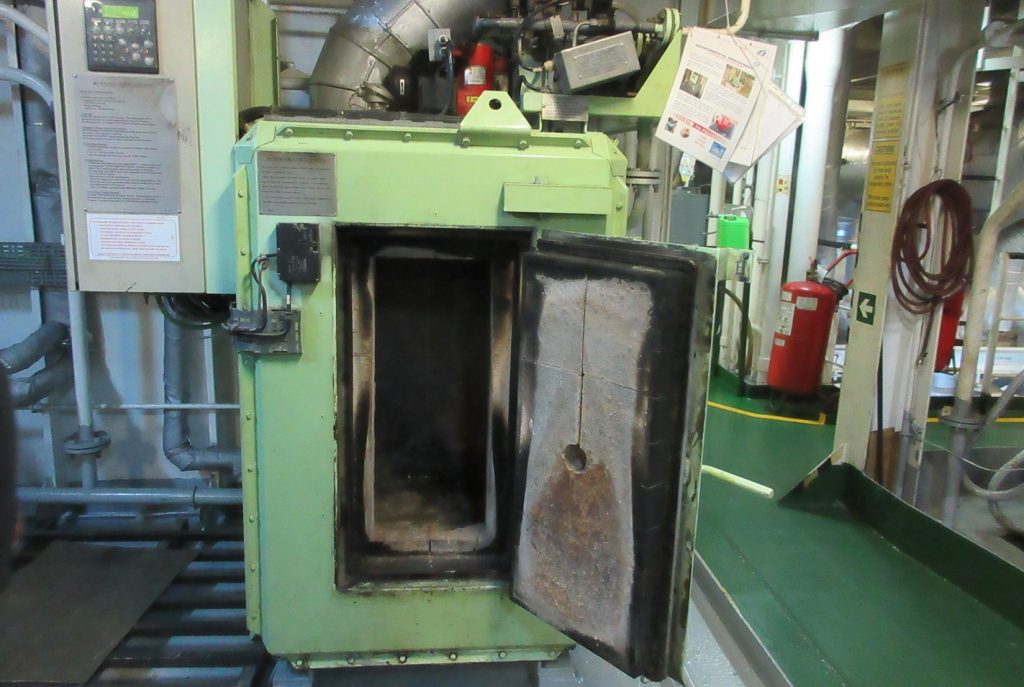
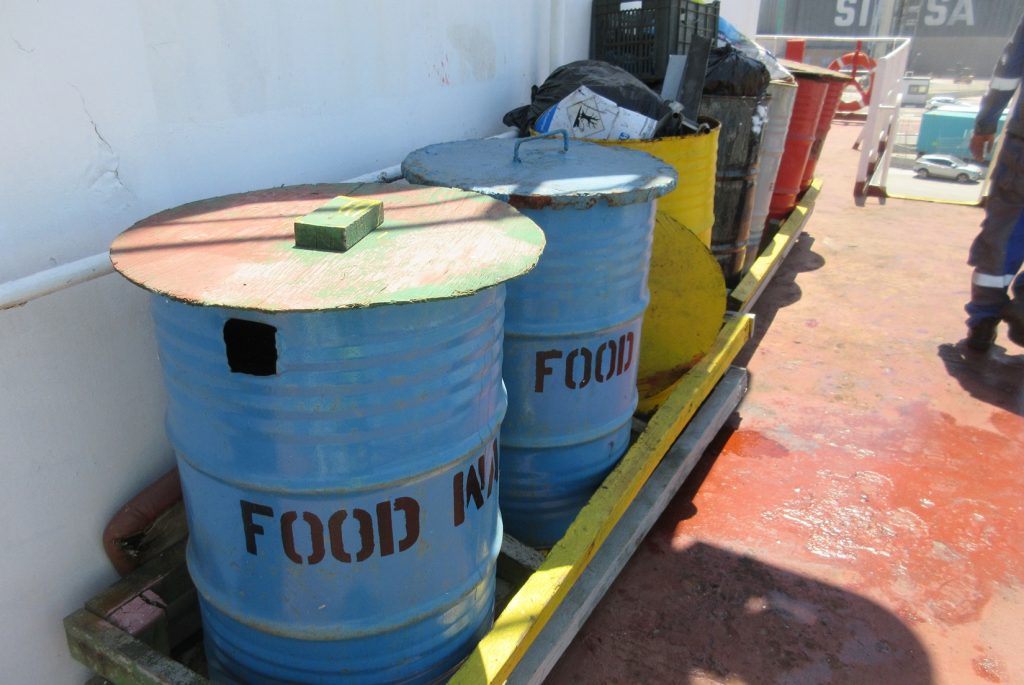
Modern merchant ships generate multiple types of waste during normal operations, including food waste, plastics, domestic garbage, cooking oil, operational waste, cargo residues, and incinerator ashes. Proper segregation is essential because MARPOL imposes different discharge restrictions depending on the type of garbage and the navigation area involved.
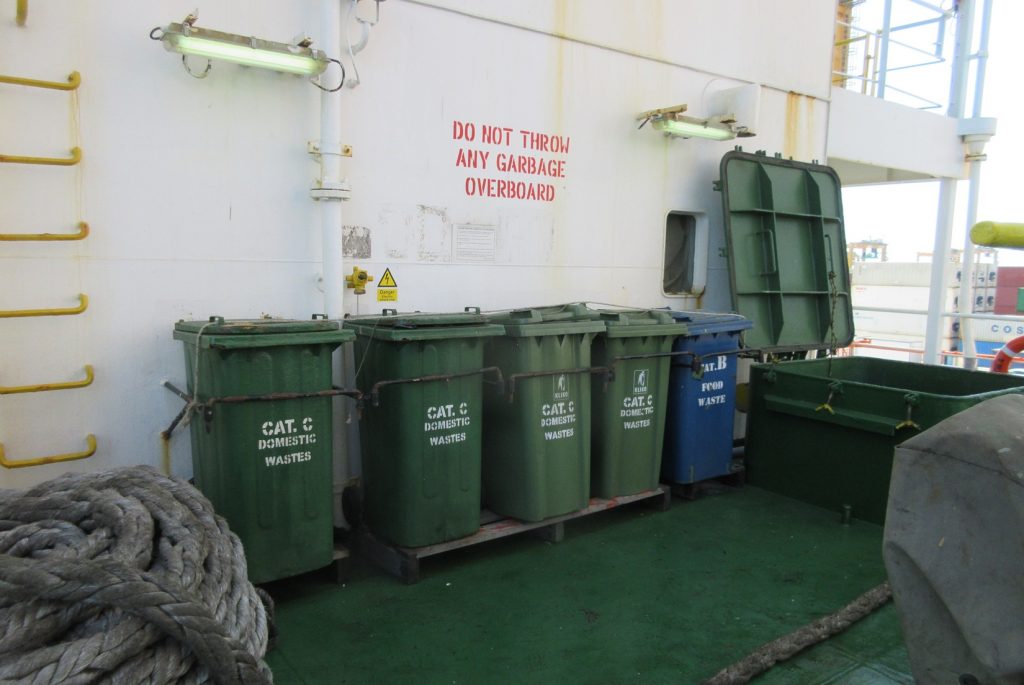
The Garbage Management Plan should clearly describe how waste moves through the vessel, from collection points to storage areas and final disposal. On many ships, ineffective segregation practices originate not from lack of equipment, but from poor crew familiarization or unclear onboard routines.
Special attention is usually given to plastics, which are strictly prohibited from discharge into the sea under any circumstances. PSC inspectors frequently verify whether garbage segregation practices onboard are consistent with MARPOL requirements and with the procedures described in the plan itself.
Garbage Record Keeping
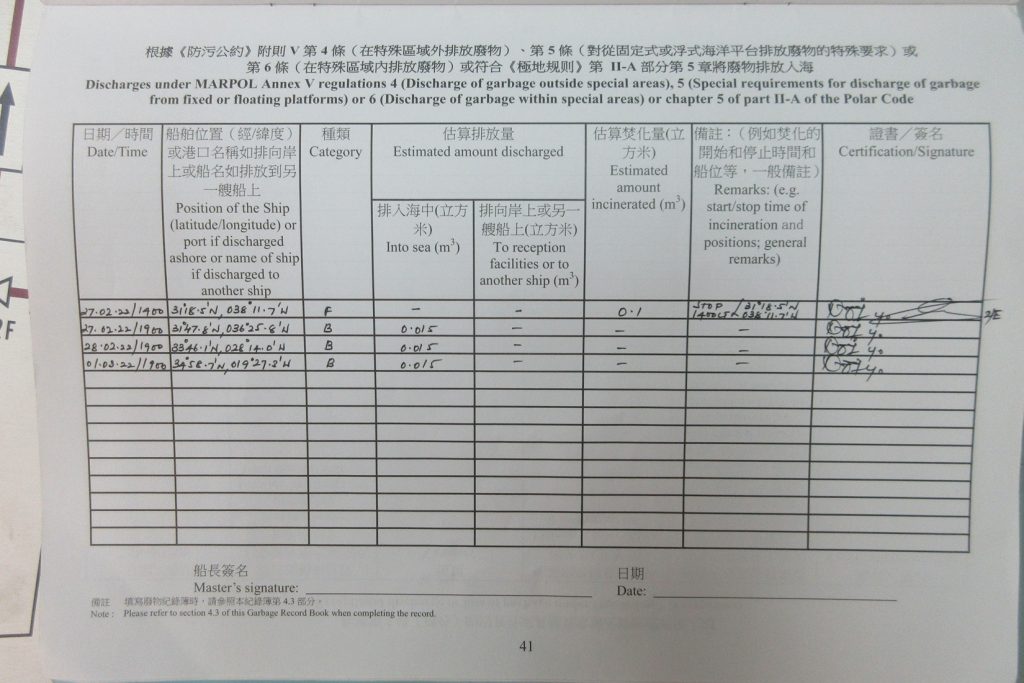
Alongside the Garbage Management Plan, many vessels are also required to maintain a Garbage Record Book (GRB). This document records garbage discharges, incineration operations, and deliveries to shore reception facilities.
During inspections, authorities often compare:
- Garbage quantities
- Port reception receipts
- Incinerator usage
- Operational patterns onboard
Inconsistencies between records and actual vessel operations may raise concerns regarding environmental compliance.
One of the most common issues identified during inspections is incomplete or inaccurate Garbage Record Book entries. Even relatively minor discrepancies may trigger expanded environmental inspections, particularly in ports with strict MARPOL enforcement policies.
Effective implementation of environmental procedures and proper maintenance of associated records may also be considered during ISM internal audits as part of the wider assessment of onboard procedures and SMS implementation.
PSC and Inspection Focus Areas
Garbage management is routinely reviewed during PSC inspections, ISM audits, and environmental compliance verifications. Inspectors generally focus on whether the vessel’s procedures are being effectively implemented in practice.
Particular attention is often given to:
- Availability of the Garbage Management Plan onboard
- Crew familiarity with garbage procedures
- Segregation arrangements
- Condition of garbage storage areas
- Accuracy of Garbage Record Book entries
- Availability of port reception facility receipts
Inspectors may also verify whether placards and disposal instructions are properly displayed in working areas and accommodation spaces as required by MARPOL.
On vessels fitted with incinerators, additional attention may be given to operational records and restrictions regarding prohibited materials.
Common Deficiencies Identified Onboard
From an inspection perspective, garbage management deficiencies are frequently related to operational practices rather than the absence of documentation itself.
Typical findings include:
- Incorrect garbage segregation
- Missing or inconsistent GRB entries
- Overflowing storage areas
- Lack of crew familiarity with disposal procedures
- Missing MARPOL placards
- Inadequate control of food waste disposal in special areas
Another recurring issue involves discrepancies between garbage generation onboard and the quantities delivered ashore. When records appear unrealistic or incomplete, inspectors may question the effectiveness of the vessel’s environmental management procedures.
Operational Best Practices
Effective garbage management onboard depends largely on crew awareness and routine implementation. Vessels with strong environmental compliance practices usually integrate garbage procedures into daily operational routines rather than treating them as isolated administrative requirements.
Regular crew familiarization is essential, particularly regarding:
- Segregation categories
- Special area restrictions
- Record keeping procedures
- Port disposal requirements
Internal audits and periodic inspections of garbage storage areas also help identify operational weaknesses before external inspections occur.
Maintaining clear and consistent documentation, including reception facility receipts and Garbage Record Book entries, remains one of the most effective ways to demonstrate compliance during PSC examinations and environmental audits.
