

Independent P&I condition surveys performed onboard commercial vessels focused on operational risk assessment, liability exposure prevention and identification of deficiencies affecting cargo safety, crew welfare, pollution prevention and third-party liabilities.
Operational Risk Assessment & Prevention
P&I condition surveys are commonly requested by Protection and Indemnity Clubs to assess vessel operational condition, onboard safety standards and potential liabilities affecting insurance risk exposure. Particular attention is typically given to cargo-related risks, crew safety conditions, pollution prevention arrangements and operational deficiencies that may increase the likelihood of incidents, claims or liabilities.
Types of P&I Condition Surveys
P&I condition surveys may be requested as pre-entry or entry inspections before vessel acceptance into a Club, as periodic condition assessments depending on vessel age and operational profile, or as follow-up inspections when previous attendance identified significant operational deficiencies or areas requiring corrective actions and verification.
Operational Inspection Scope
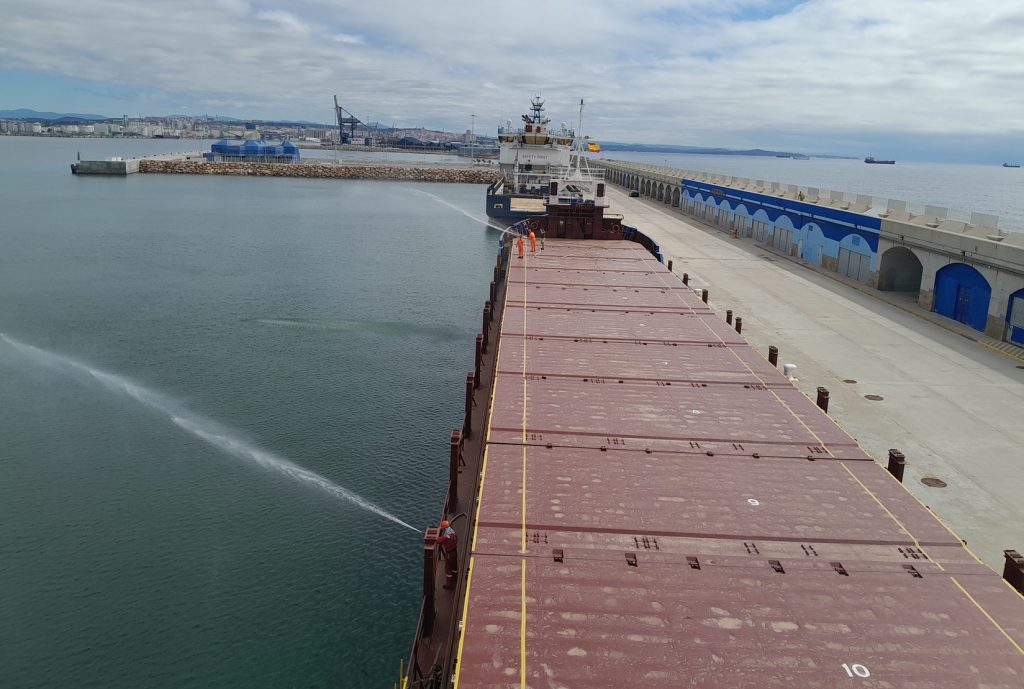
Inspection attendance may include onboard assessment of fire safety equipment, accommodation condition, lifesaving appliances, engine room housekeeping standards, pollution prevention arrangements, cargo areas, navigation bridge condition and operational maintenance practices depending on vessel type and Club requirements.
Operational Findings & Deficiencies
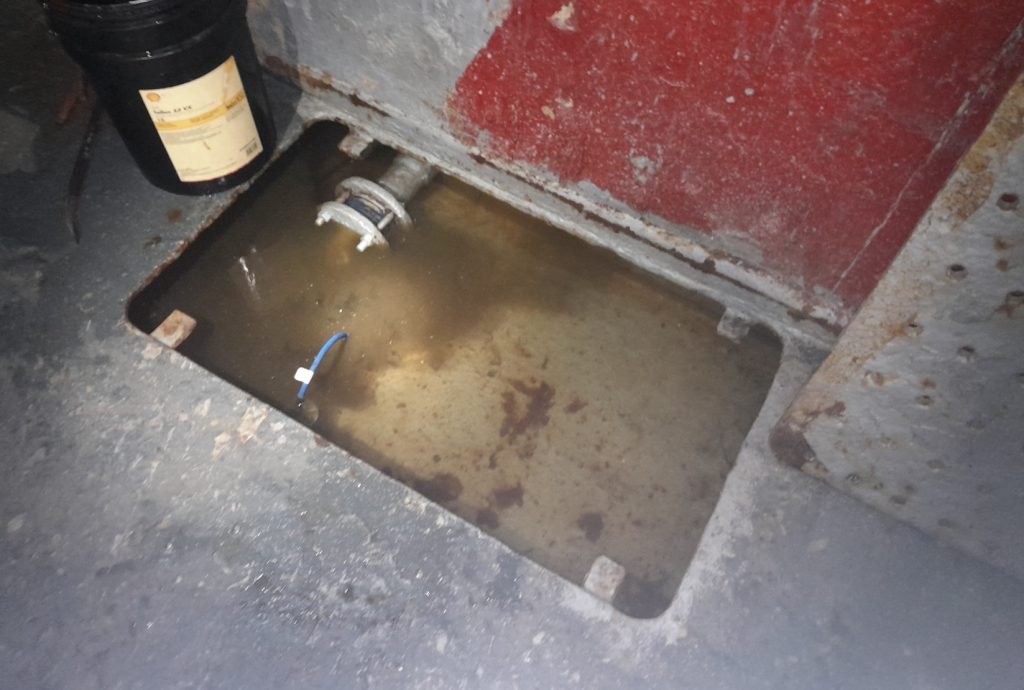
Typical operational observations may include fire safety deficiencies, poor housekeeping standards, oil leakages, defective emergency equipment, unsafe working practices, occupational safety deficiencies, cargo-related observations, pollution prevention deficiencies and maintenance issues affecting vessel operational reliability and insurance-related risk exposure.
Related Inspection Services
Related inspection services include ultrasonic hatch cover testing performed onboard bulk carriers and general cargo vessels to assess leakage risks, cargo protection and potential water ingress exposures affecting P&I operational risk assessment.
FAQs
Why do P&I Clubs request condition surveys?
P&I Clubs commonly request condition surveys to assess operational risks, onboard safety standards and potential liabilities affecting insurance exposure before incidents or claims occur.
What types of risks are typically assessed during P&I condition surveys?
Typical risk areas may include cargo damage risks, crew safety conditions, pollution prevention arrangements, fire safety deficiencies and operational practices affecting third-party liabilities and vessel operational reliability.
What is the difference between pre-entry and follow-up P&I surveys?
Pre-entry surveys are commonly performed before vessel acceptance into a Club, while follow-up inspections are usually requested to verify corrective actions and reassess operational deficiencies identified during previous attendance.
Are P&I condition surveys adapted to vessel type and operational profile?
Yes. Survey scope may vary depending on vessel type, operational trade, vessel age, maintenance condition and specific operational concerns identified by the Club or operational representatives.
How much does a P&I condition survey cost?
The cost of a P&I condition survey depends on vessel type, operational scope, port location, attendance duration and reporting requirements requested for the assignment.